How a Website Sherpa Used LifterLMS to Simplify Technology for Health Practitioners
How Sally Crewe Built NurtureDash Around a “Tech as Therapy” Approach

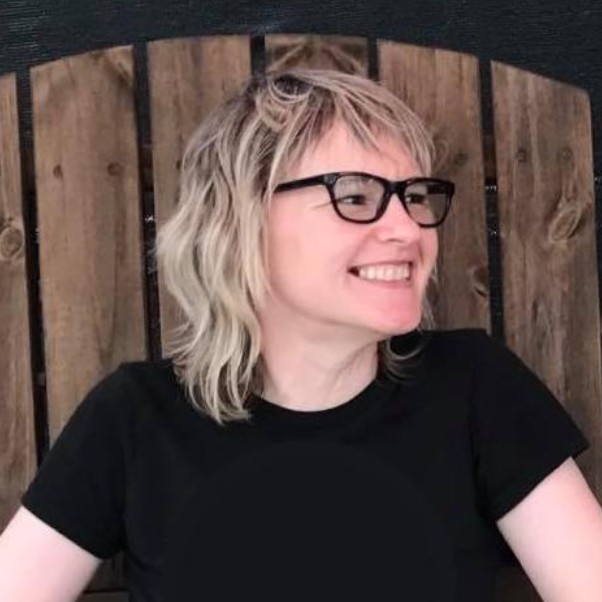
Sally Crewe, Founder of NurtureDash
Success Story Highlights
Built an integrated multi-client platform
Enabled nutrition therapists to create and resell courses
Applied an ethical, supportive approach to website management
Sally Crewe first joined us on LMScast to discuss her transition from nutrition therapist to website developer, supported in part by her work with LifterLMS. She created a training course that taught other nutrition therapists how to build online lessons for their clients. She soon found that many practitioners preferred to focus on their services and have Sally set up their courses and websites for them.
Over time, Sally’s clients gained well-functioning websites and the ability to sell courses. Managing a wide variety of plugins and site configurations, though, often left her “playing whack-a-mole” as she tried to keep each website running smoothly.
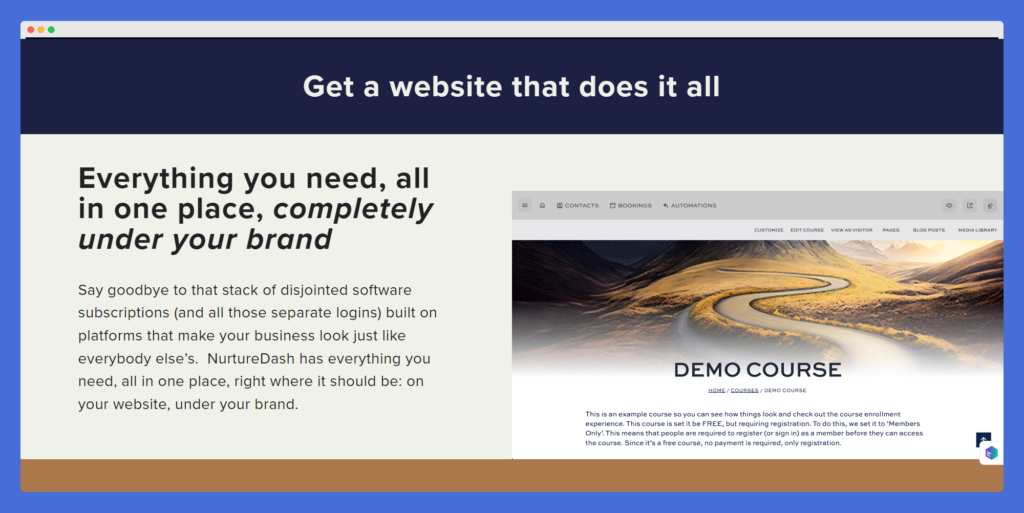
“At first, I developed a bonus for my course called the practitioner platform, which was an all-in-one website. I basically cloned my course website, which was running LifterLMS, and gave that to my colleagues, my students, for them to fill in the blanks and put their own nutrition courses into it. It became apparent that using LifterLMS was crucial for integrating and simplifying the process for practitioners who struggled with the tech aspect of setting up online courses.”
—Sally Crewe, NurtureDash
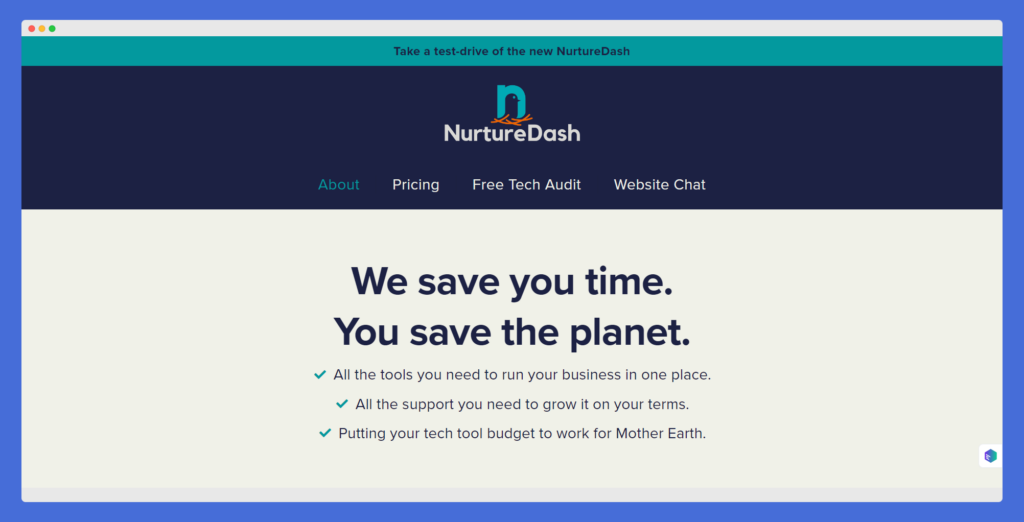
As the WordPress ecosystem developed, Sally restructured her website-as-a-service business as NurtureDash. She used WildCloud, a multi-tenancy deployment platform, to centralize the creation and management of client websites. This gave her a unified interface from which she could develop and maintain multiple sites.
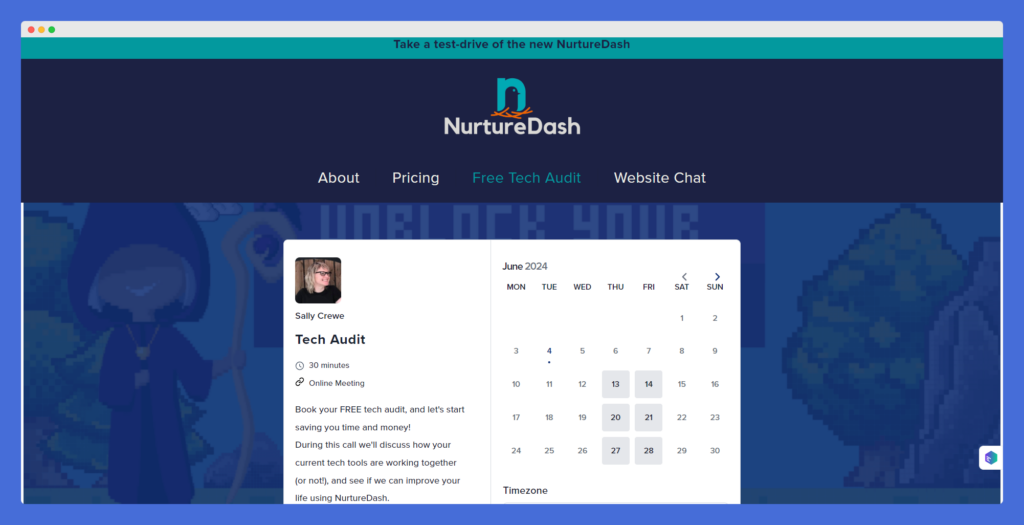
WildCloud also allowed Sally to create a plug-and-play onboarding process for health practitioners. Clients could select a package, domain name, and template without having to manage the underlying technical setup themselves.
For clients who wanted to offer online courses, Sally included LifterLMS within the NurtureDash setup. They could create lessons from scratch or begin with supplied templates, depending on their business model. The structure also gave practitioners the option to resell courses to their own clients or colleagues, creating what Sally described as a “digital franchise.”
“I’m piggybacking on your talents and your team’s talents by using Lifter. It’s what is the best, as far as I’m concerned, I’ve tried them all. This is the best one“
To support this multi-level member structure, Sally selected plugins that worked alongside WildCloud and LifterLMS. At the time of the interview, her stack also included:
- Fluent CRM: Marketing automation
- FluentBooking: Appointment booking
- UIPress Pro: Customized, intuitive WordPress dashboards
I’ve said to my folks, this is a curation of the best plugins for the job as far as I’m aware. And I’ve been at this for twenty plus years… I’m going to look after them. I’m keeping ahead of the curve. That’s stuff they don’t have to have in their brain.
A Therapeutic Approach
Although Sally had moved away from working directly as a nutrition therapist, her therapeutic background continued to shape her approach to technology. Acting as a self-described “website sherpa,” she handled the technical work behind the scenes so her clients could focus on their own services. Her “tech therapy” philosophy influenced both the design of NurtureDash and the support she provided to website owners.
“I wanted to remove as many of those friction points that make people stressed… So when they log in, it’s a nice place to be.“
Automation helped reduce Sally’s own workload, but she also wanted the client experience to feel calm and manageable. She added a work-break button to website dashboards that played an ocean video, while UiPress Pro allowed her to remove unnecessary options and present clients with a simpler interface.
Sally also incorporated her environmental values into NurtureDash. At the time of the interview, the business supported One Tree Planted by funding one tree each month for every NurtureDash subscription.
Marketing the Platform Through Education
Sally structured NurtureDash around three levels of service. The first supported practitioners selling health and nutritional therapy services. The second added digital products, while the third introduced memberships, courses, and community features.
Education formed part of the marketing strategy. Sally created a course about overcoming technology-related stress, combining her therapeutic perspective with practical guidance on using the platform. Clients could explore the tools through the course rather than having to understand the entire system before getting started.
She also encouraged practitioners to offer prospective clients access to a useful membership area rather than relying only on a downloadable lead magnet. This approach demonstrated the value of memberships and online learning while giving potential clients a reason to continue engaging with the practitioner’s website.
Trust me to be the guide for that part of the business. You don’t need this particular bell or whistle that some other guru was telling you that you need.
Sally’s journey from nutrition therapist to web developer and education entrepreneur shows how closely listening to clients can lead to a new business model. By combining LifterLMS with a managed website service, she created a system designed to remove technical barriers for health practitioners.
Hear Sally explain the thinking behind NurtureDash and her approach to simplifying technology in the LMScast episode, “How to Simplify Your Health Practitioner Business Technology Stack With the Website Sherpa”.