
How Permaculture Course Grew to 8,700 Members and 500+ Students with LifterLMS
What started as an idea to bring permaculture education online has grown into a community of around 8,700 members, with more than 500 students purchasing the full Permaculture Design Certificate course.
Behind it are co-founder Konrad Sroka and permaculture teacher Ian Trew. Together, they’ve made it possible for people around the world to learn about sustainable living and permaculture design without attending classes in person.
The project began in 2016 with a simple landing page and an offer to join at half price before launch. The response helped fund the course’s production, and Permaculture Course Online welcomed its first students in February 2017.
Since then, the team has built a small but successful education business around WordPress, LifterLMS, and one main paid course.
And there’s something particularly interesting about how they attract students. Rather than pushing visitors straight towards a purchase, they give people a chance to experience the teaching for free.

Konrad Sroka
Co-founder
Permaculture Course Online
Success Story Highlights
- 8,700 members: People who have joined the learning community, as of September 2026.
- 500+ paid students: Learners who have purchased the full Permaculture Design Certificate course.
- Teaching online since 2017: Nearly a decade of delivering permaculture education through WordPress and LifterLMS.
Bringing Permaculture Education Online
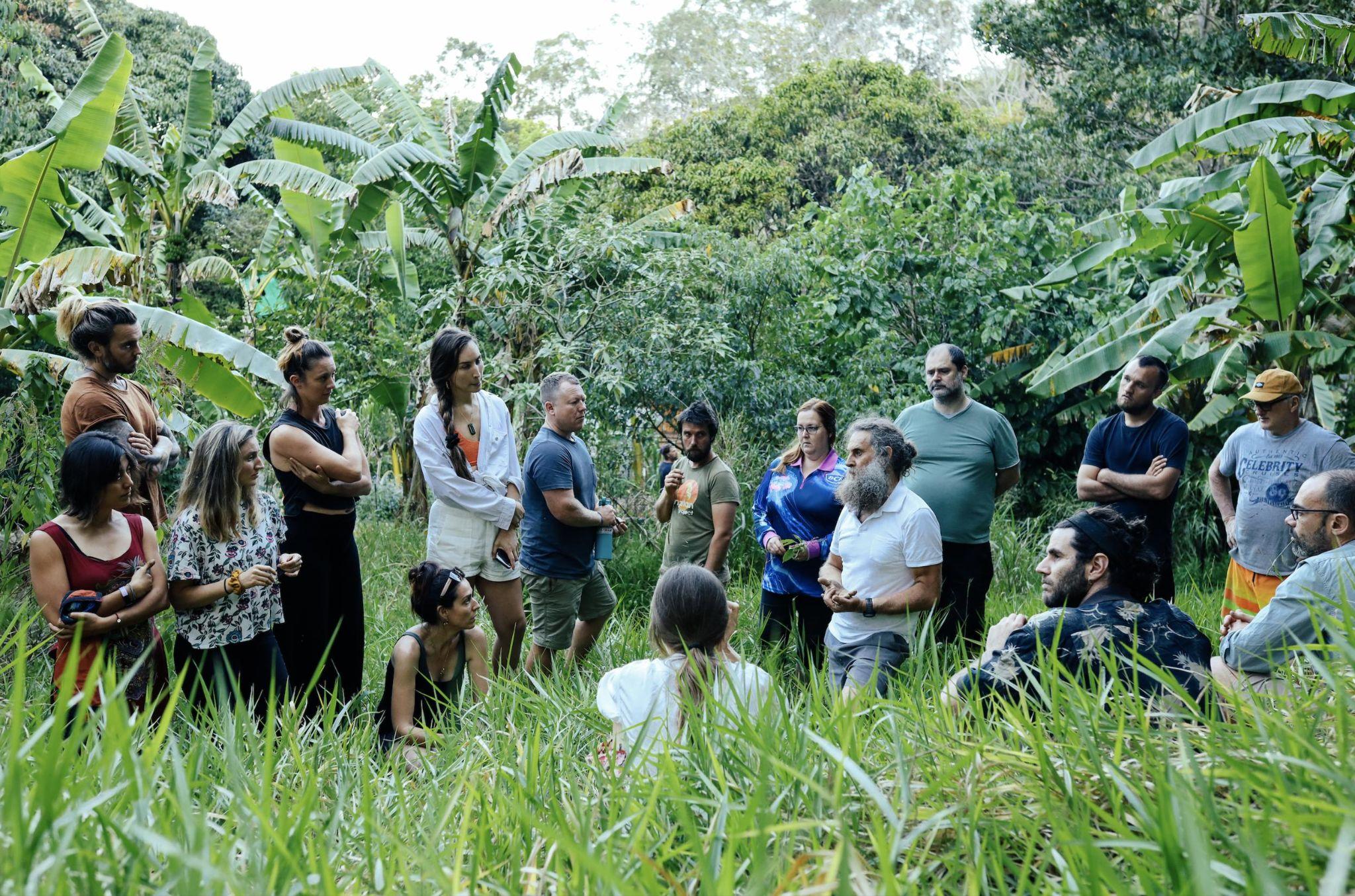
Permaculture is about designing spaces and systems that work with nature. It covers subjects such as growing food, managing water, caring for the environment, and making better use of available resources.
At Noosa Forest Retreat in Australia, Ian Trew was already teaching these principles through a Permaculture Design Certificate (PDC) course.
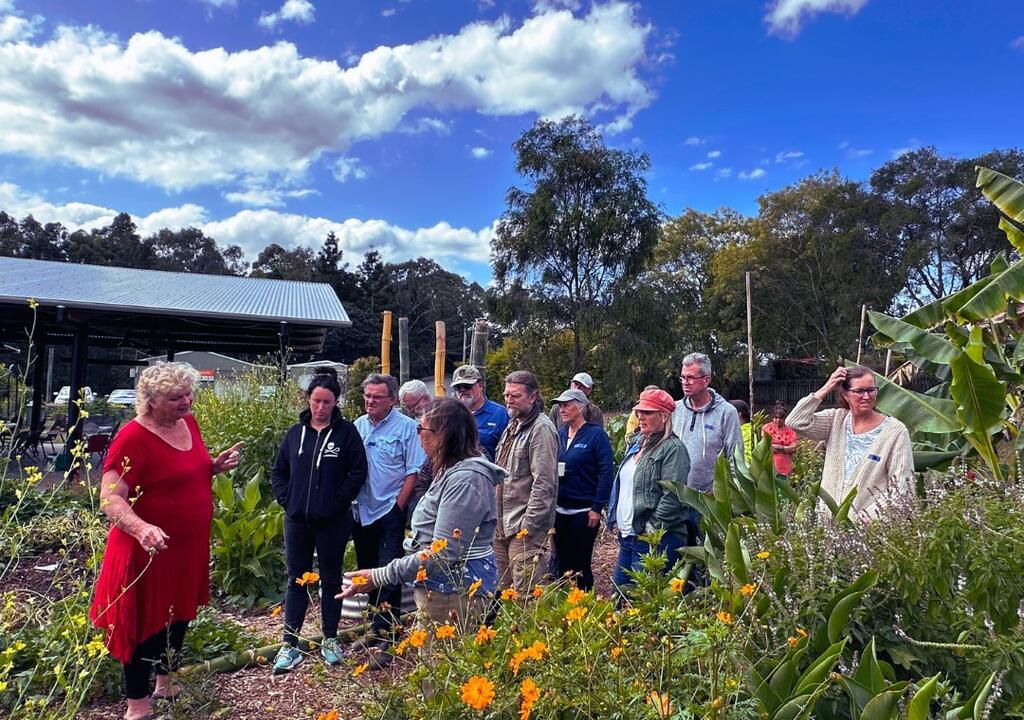
Konrad Sroka, co-founder of Permaculture Course Online, was living in Australia at the time and saw an opportunity to take Ian’s teaching beyond the classroom.
The two decided to create an online version of the course, bringing in other teachers and specialist presenters to share their knowledge.
Ian would lead the teaching. Konrad would handle the technical side, including filming and editing the lessons and building the website.
It was a partnership Konrad felt strongly about. He describes Ian as one of the most inspiring people he’s ever met.
Their ambitions were fairly modest. They weren’t trying to build a large education company or attract investors. They wanted to share permaculture knowledge with more people and earn enough to keep the project going.
First, though, they needed to find out whether anyone would sign up.
Testing the Idea Before Building the Course
Creating an online course takes time, especially when you’re filming and editing hours of lessons.
Konrad didn’t want to spend months producing everything before discovering whether there was enough interest.
So, in 2016, he launched a landing page announcing the planned course. Anyone who signed up before launch could join for half the regular price.
The response was encouraging.
Konrad says the offer brought in around $12,000 in initial funding, giving the team the money they needed to start filming. He also reports approximately $20,000 in pre-sales around the launch period.
With that early support, they could get to work.
Konrad filmed and edited the lessons, built the website, and prepared the online learning experience. Permaculture Course Online officially opened in February 2017.
The team had found an audience before completing the course. And the money from those early supporters helped pay for the work needed to bring it to life.
For anyone thinking about creating an online course, that’s a useful approach to consider. You don’t necessarily need to finish every lesson before finding out whether people are willing to pay for what you’re planning to teach.
Building the Learning Platform with LifterLMS
Konrad chose WordPress and LifterLMS to build the online course.
He already knew LifterLMS and its co-founder, Chris Badgett, having followed the product since its early days.
The course setup itself is fairly straightforward. There’s a free introductory course and one main paid course leading to the Permaculture Design Certificate.
LifterLMS handles the learning experience and course access, while other tools take care of video hosting, discussions, and communication with students.
The website uses:
- WordPress for the website and content.
- LifterLMS to deliver the free and paid courses and manage student access.
- Vimeo Pro to host the course videos.
- BuddyPress and bbPress for student profiles and discussion forums.
- Help Scout to manage student questions and provide personal email support.
- Kit to send email sequences to new members and prospective students.
Konrad deliberately kept the course structure simple.
The full Permaculture Design Certificate course contains more than 72 hours of learning material, including video lessons, written resources, quizzes, and practical assignments. Students also work towards a final design project.
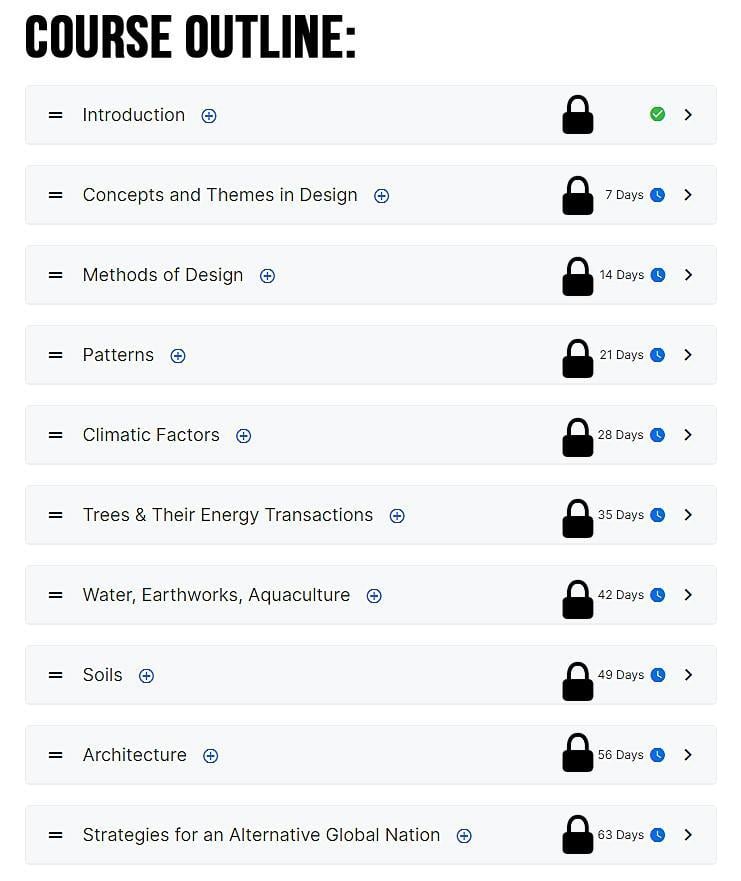
It’s a substantial course, but students can work through the material at their own pace.
They can ask questions, take part in discussions, and get help from the teaching team when they need it.
The technology does what the team needs it to do, leaving them to concentrate on teaching and supporting students.
Why the Free Course Matters So Much
One of Konrad’s strongest points is that simply putting a course online doesn’t mean people will buy it.
In his experience, the free course plays a major part in attracting students to the paid program. Visitors can register for a free membership and start learning without paying anything.
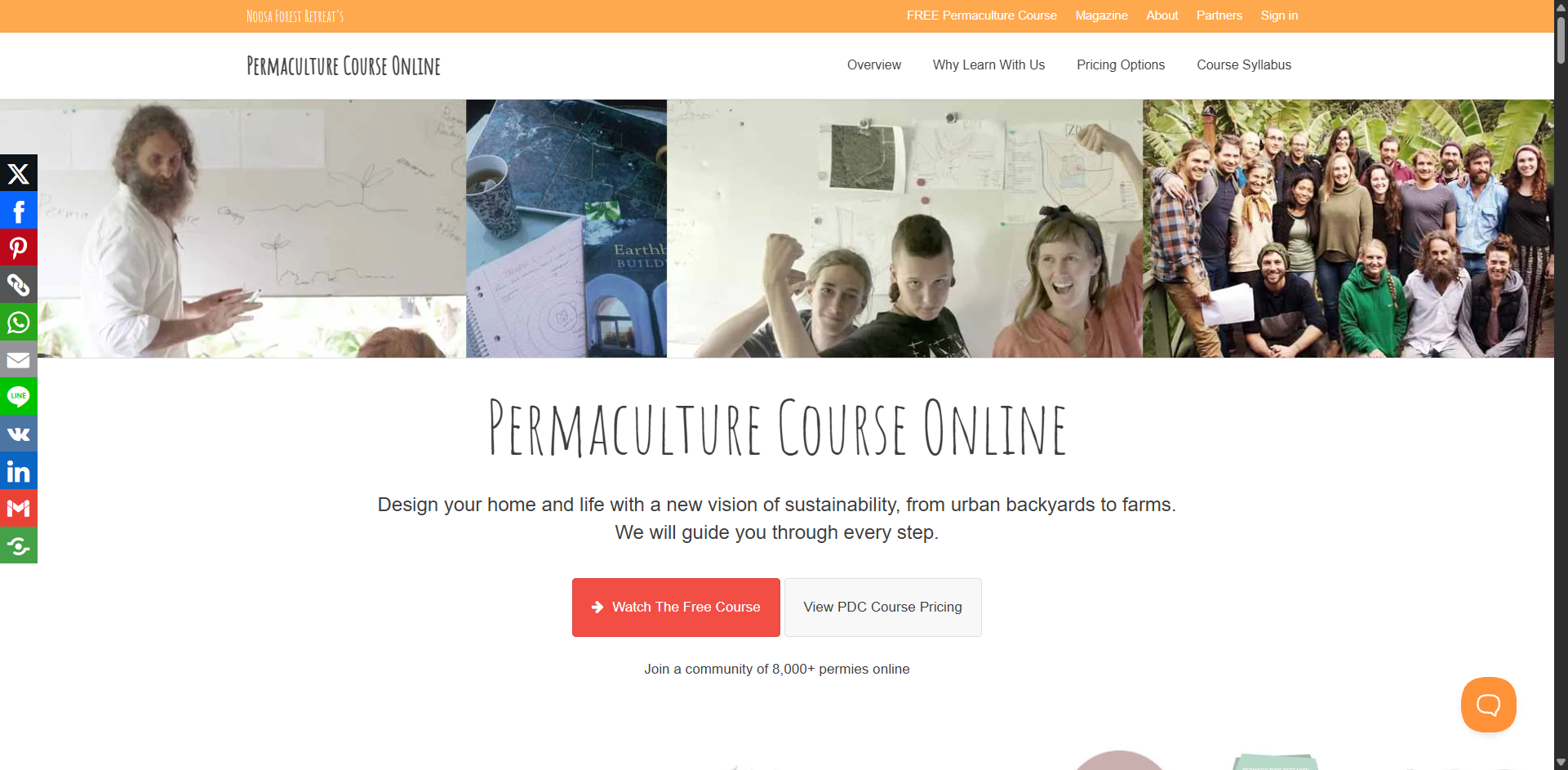
They get to explore permaculture, see how the lessons are presented, and become familiar with Ian’s teaching style. It’s a chance to experience the course before deciding whether to spend money on the full certificate program.
And that matters when you’re selling education.
Someone considering a paid course might have questions about the teaching, the subject matter, or whether the learning experience will suit them. Reading a course description can only tell them so much.
“The free course gives them something more useful: firsthand experience.”
Konrad believes this opportunity to get to know the teacher, the course, and its approach is one of the main reasons the business works.
Instead of asking people to make a purchase as soon as they arrive, the team gives them time to explore what they’re offering.
Those who want to continue can then upgrade to the full Permaculture Design Certificate course.
Building Relationships Through Email and Personal Support
Giving people access to a free course is only the beginning.
Once someone registers, the team uses Kit to send a series of emails introducing the course, sharing useful information, and keeping in touch.
Konrad sees this as another important part of the business. He doesn’t expect every new member to become a paying student straight away. Some need time to explore the subject, learn more about the teachers, and decide whether the full course is right for them.
The emails help maintain that connection. Personal communication matters just as much.
Although Permaculture Course Online has BuddyPress profiles and bbPress forums, Konrad says much of the student support happens through direct email conversations managed in Help Scout.
Students can ask questions privately and receive help from the team. For a small project, that direct contact is valuable. It allows the teachers to respond to individual needs rather than relying entirely on forum discussions or automated messages.
The email sequences handle regular communication, while the helpdesk gives people somewhere to turn when they want to speak to someone.
And when they’re ready to take the next step, they can enroll in the paid course.
Konrad credits this combination of free learning, email communication, and personal support with helping the project attract paying students.
The free course introduces people to the teaching. The emails keep the conversation going. And personal support helps students feel connected to the people behind the course.
Growing to 8,700 Members and More Than 500 Paid Students
By September 2026, Permaculture Course Online had around 8,700 registered members. More than 500 students had paid for the full Permaculture Design Certificate course.
Those figures are particularly interesting given the size and scope of the project.
Konrad and Ian haven’t built a large catalog of courses. Their business centers on one subject, one main paid course, and a free introduction that helps people decide whether to continue.
They know who they’re teaching, too. Their audience consists of people interested in sustainability and permaculture design, whether they want to improve a home garden, grow food, manage land, or take a more thoughtful approach to their surroundings.
Some members are happy to work through the free material. Others want the deeper training and certification offered by the paid course.
Both groups matter to the team. As Konrad explains, Permaculture Course Online is more of an independent side project than a large commercial venture.
It generates enough income to keep running, with something left over, while helping more people learn about permaculture.
That’s the outcome he values. The project doesn’t have to become a huge business to be worthwhile. It gives the team a way to share something they care about, reach people who might never attend an in-person course, and support the work financially.
What’s Next for Permaculture Course Online?
After nearly a decade of online teaching, Konrad and the team are still making changes.
In September 2026, Konrad said they were working on a new landing page and signup process. They were also exploring different ways to bring visitors to the website.
The aim is to improve how people discover the course and get started.
The underlying model remains simple. New members can begin with free lessons, get to know the teachers, and move on to the paid certificate course if they want to learn more.
The team has spent years developing that approach, and the next round of changes gives them an opportunity to see how it can work for a wider audience.
What Other Course Creators Can Learn
Permaculture Course Online is a good example of what a small teaching team can achieve with one main course.
Konrad and Ian tested demand before producing all the content. They used the money raised from early supporters to help get the project off the ground.
And rather than building a complicated course business, they chose a straightforward setup with WordPress and LifterLMS, adding other tools where they needed them.
Their approach to selling the course is equally practical.
They give people a free introduction, communicate with them regularly, and make personal support part of the learning experience.
Nearly a decade later, that approach has helped them build a community of thousands, with more than 500 students purchasing their full certificate course.
For Konrad and Ian, the project continues to do what they hoped it would: bring permaculture education to more people and generate enough income to keep it running.
If you’re planning your own online course, their experience offers a useful starting point.
“You don’t need dozens of courses or a large team. Start with something you know well, find out whether people want to learn it, and give prospective students a chance to experience your teaching.”
Explore Permaculture Course Online
Build Your Own Online Course with LifterLMS
Want to offer free lessons, sell a full course, or create a membership-based learning experience?
LifterLMS lets you build and manage online courses on WordPress, giving you control over your content, student access, and how you sell your teaching.